This is the first in the “Six Types of Courage” that we will explore in-depth. We hope you’ve already had the chance to read over our page called “The Six Types of Courage” for a brief overview of our definitions. The examples we give for each type of courage may apply to your children and/or to you —please keep in mind, when you are reading this post, that some of these examples may involve taking “baby steps” on your way to physical courage! Every step towards courage is worthwhile and important.
“If you worried about falling off the bike you’d never get on.” Lance Armstrong
“A hero is no braver than an ordinary man, but he is braver five minutes longer.” Ralph Waldo Emerson
“Courage is being scared to death and saddling up anyway.” John Wayne
Physical courage is the type most people think of first, the one that allows us to risk discomfort, injury, pain or even death—running into burning buildings as a firefighter, facing an enemy on the battlefield, undergoing chemotherapy, climbing a mountain, protecting a child from a dangerous animal. We are right to be wary of pain: pain tells us where our boundaries and limits are. However, sometimes there are things more important than pain, and our physical fear becomes a border to be crossed. Physical fear is often blown entirely out of proportion: pain is often greater in anticipation than in fact, and that dread can become an insurmountable barrier. Physical courage also involves recognizing that your body is how you participate in the world; keeping it healthy, strong, and resilient prepares you for all kinds of challenges, not just physical ones.
This inspiring video from TED.com gives us a great example of a woman confronting seemingly insurmountable barriers through physical courage. It’s about seventeen minutes long; if you don’t have time now, please watch it later. It’s well worth it. Teaser: she rowed solo across the Atlantic Ocean!
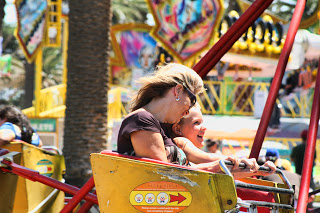
go on that amusement park ride you think might make you sick!
get really tired: take a day-long hike or help with a community service project that makes you work up a sweat
set a physical goal, like training for a marathon or doing a three-day canoe paddle or losing ten pounds —and stick to it! Let your kids hold you to account. They will be merciless!
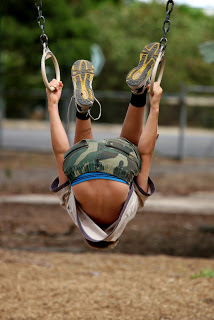
get down on the floor with your kids and spend the day looking at the world from their eye-level
teach your kids how to meet dogs (hint: ask the owner first!)
set a physical fitness goal for the whole family and bring all members of the family into the process; if that means losing weight and exercising together so everyone is more healthy it will be a big job, but it’s a courage challenge worth doing!
What are your ideas about physical courage, your parenting tips to promote it with kids, or your favorite physical courage story (fiction or non-fiction)? We’d love to hear from you!
my kids grew up in culturally diverse ways: either places (different regions of country/world) or around different types of people who had different food preferences.I always tried with them "the two bite rule" … it may look funny, smell funny, definitely NOT a McD's happy meal!Just two bites, thoroughly chewed and swallowed.This allowed them the chance to try "strange" dishes (octopus, Thai etc) and if, after 2 real true Bites, they just could not stomach the meal, they were allowed to opt out for a PB & J or something bland on the menu …. nowadays, I am proud of both of them, because they are Not picky eaters, and both are also excellent chefs in their own right!one small culinary act of courage 🙂
sometimes you may need to take baby steps but, at least they are steps! For example; my middle daughter hates the feeling of being out of control (rightfully so) however most of her fear is from pre-concieved notions or what she expects may happen in the freak incidence! If I work slowly at her pace she usually surpasses all of my and her expectations of what she accomplishes. I am talking little things here like starting in the middle of the hill for sledding and skiing the green slopes all day until the very end or being in the shallow end of a pool until she is jumping off the side. So what I say is do not discourage baby steps! Thanks for the Blog its great!
Love these snippets of parenting wisdom…two bites that's adventurous!Baby-steps…such an important reminder for all readers of our blog.Trust that courage development is a process that you have the honor of supporting as your child's parent.Thank you for sharing how deeply you listen to your own and your child's wonderful spirits!
The second video was totally inspiring…what exactly makes us WANT to look normal? If you had the chance to be different, why try so hard to fit in? Embrace your "disability" or whatever makes you special, because if you do then people will become jealous of YOU.

my kids grew up in culturally diverse ways: either places (different regions of country/world) or around different types of people who had different food preferences.I always tried with them "the two bite rule" … it may look funny, smell funny, definitely NOT a McD's happy meal!Just two bites, thoroughly chewed and swallowed.This allowed them the chance to try "strange" dishes (octopus, Thai etc) and if, after 2 real true Bites, they just could not stomach the meal, they were allowed to opt out for a PB & J or something bland on the menu …. nowadays, I am proud of both of them, because they are Not picky eaters, and both are also excellent chefs in their own right!one small culinary act of courage 🙂
sometimes you may need to take baby steps but, at least they are steps!
For example; my middle daughter hates the feeling of being out of control (rightfully so) however most of her fear is from pre-concieved notions or what she expects may happen in the freak incidence! If I work slowly at her pace she usually surpasses all of my and her expectations of what she accomplishes. I am talking little things here like starting in the middle of the hill for sledding and skiing the green slopes all day until the very end or being in the shallow end of a pool until she is jumping off the side. So what I say is do not discourage baby steps! Thanks for the Blog its great!
Love these snippets of parenting wisdom…two bites that's adventurous!Baby-steps…such an important reminder for all readers of our blog.Trust that courage development is a process that you have the honor of supporting as your child's parent.Thank you for sharing how deeply you listen to your own and your child's wonderful spirits!
The second video was totally inspiring…what exactly makes us WANT to look normal? If you had the chance to be different, why try so hard to fit in? Embrace your "disability" or whatever makes you special, because if you do then people will become jealous of YOU.